

Defiance can be a sign your child is struggling. Let's understand it together.
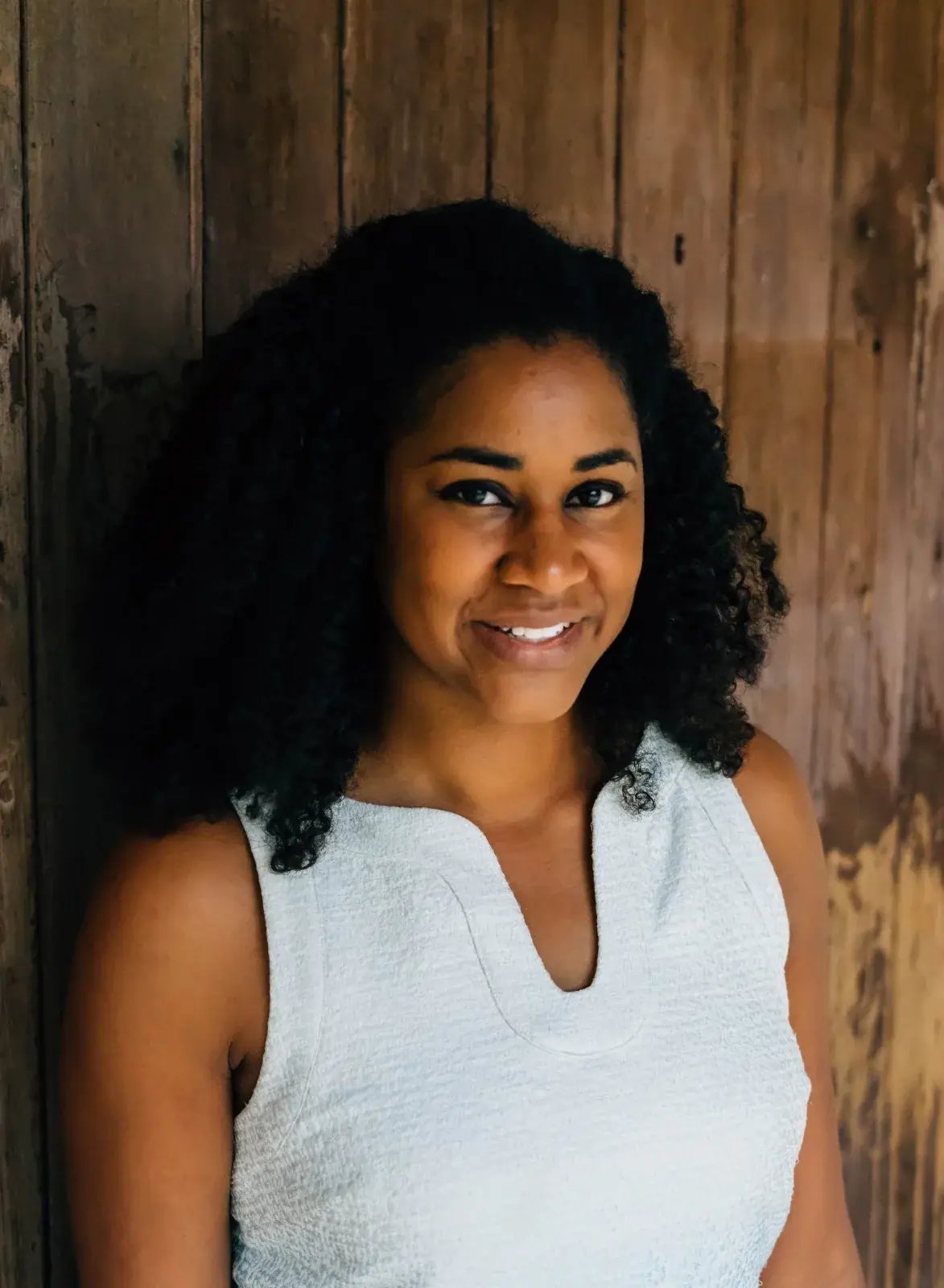
Dr. McDade is board certified in child and adolescent psychiatry, and she looks for what is underneath the behavior. Every visit is with her, from an unhurried first evaluation to each follow-up, by secure video in Texas.
Opens the booking page. A brief screening confirms fit before the first visit. Ages 6 to 17.
- Every visit with Dr. McDade
- Ages 6 to 17, booked by a parent or guardian
- Secure video in Texas
The answer
Oppositional defiant disorder, or ODD, is an ongoing pattern of uncooperative, defiant, and hostile behavior toward adults in charge that seriously gets in the way of a child's daily life. All children push back sometimes, and ODD stands out by how often and how consistently it happens for a child's age, the American Academy of Child and Adolescent Psychiatry (AACAP) explains. Dr. McDade looks at the whole child and builds the plan with you. Your child deserves to be understood.
If you need help now
If you are in crisis or thinking about suicide, call or text 988 or chat at 988lifeline.org to reach the 988 Suicide and Crisis Lifeline. If you are Deaf or hard of hearing, use your preferred relay service or dial 711, then 988. In an emergency, call 911 or go to the nearest emergency room. This practice does not provide emergency services.
Who will your child see?
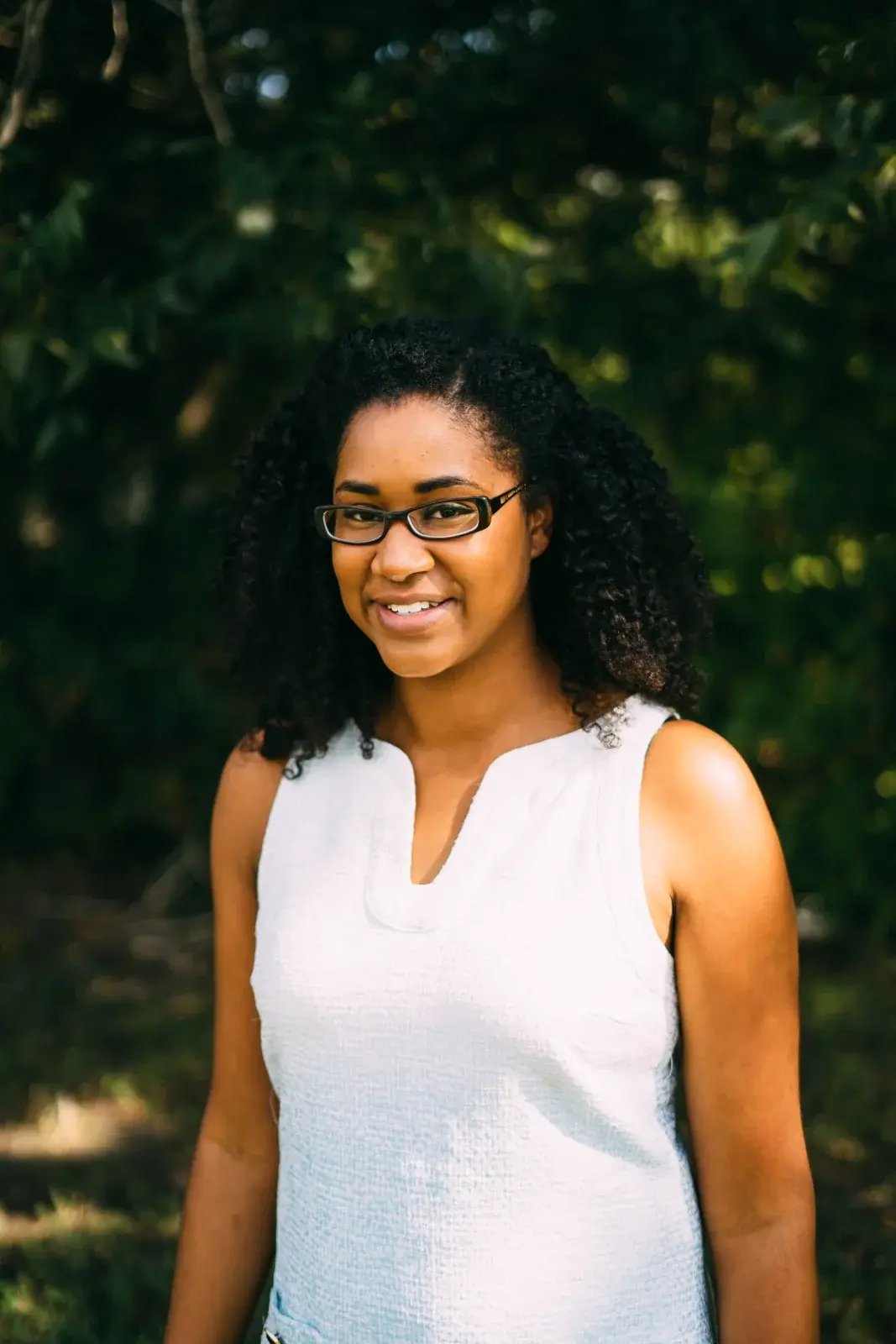
Dr. McDade, at every visit. Health & Harmony Psychiatry is a physician-only practice, so every follow-up is with the physician who already knows your child's story.
As a child psychiatrist, Dr. McDade is trained to look at the person across the lifespan. She knows what is typical for your child's age and when concerns such as phobias, anxiety, and depression tend to emerge. She is also trained to spot concerns that can look subtler in children, like OCD and Tourette's.
The practice provides psychiatric evaluation, medication management, follow-up, and coordination with the patient's other clinicians. Full recovery is the goal, even if the best path is a referral.
What can ODD look like?
It shows up as an ongoing pattern, the AACAP and the CDC explain.
What you might see
- Frequent temper tantrums
- Often arguing with adults
- Refusing adult requests and rules
- Deliberately annoying or upsetting people
- Blaming others for their own mistakes or misbehavior
- Often being touchy or easily annoyed
What sets ODD apart
- It happens more often than for other children the same age
- It affects family life, school, or friendships
- It is more likely around people the child knows well
If some of this sounds familiar, a careful evaluation can sort out what is behind it.
ODD usually starts before 8 years of age, and no later than about 12 years of age, the Centers for Disease Control and Prevention (CDC) notes.
How does Dr. McDade help with ODD?
She starts with a careful evaluation. A full evaluation looks for other conditions, such as ADHD, learning disabilities, mood disorders, and anxiety disorders, the AACAP advises, since ODD may be hard to improve without treating them.
For younger children, the treatment with the strongest evidence is behavior therapy training for parents, the CDC notes. For school-age children and teens, an often-used treatment combines training and therapy that includes the child, the family, and the school. Parent training and therapy come from a therapist, and Dr. McDade coordinates with your child's other clinicians. When therapy is the better starting point, she refers to therapists she knows well.
Medication may help with some of the more distressing symptoms, and with conditions that come with ODD, the AACAP explains.
A defiant child is often a child who is struggling and does not have the words for it. Find what is underneath, and the behavior starts to change.
Dr. Allison J. McDade, MDThe plan starts with what is underneath.
How can you help at home?
Calm breaks, clear limits, and praise for cooperation can all help, the AACAP advises.
In the moment
- Take a break when a conflict is about to get worse
- Pick your battles, and put first what matters most
- Praise flexibility and cooperation when you see them
Every day
- Set reasonable, age-appropriate limits with consequences you can keep consistent
- Work with teachers and the other adults in your child's life
- Look after your own stress, too
Parents need support and understanding too, the AACAP notes, and many children with ODD respond to positive parenting techniques.
Questions parents ask
How is ODD different from ordinary defiance?
All children test limits sometimes, and that is part of healthy development, the CDC explains. With ODD, the behaviors happen more often than for other children the same age and get in the way of daily life or relationships.
Does my child have to take medication?
No. Whether to start a medication, and where, is a decision you and Dr. McDade make together, after she explains what she recommends and why. If your child already takes one, talk with the clinician who prescribes it before any change.
Does Dr. McDade work with my child's pediatrician?
Yes. Once you sign a release, she shares her findings and the treatment plan with your child's pediatrician by fax, note, or phone call.
How much does care cost?
Care is cash pay. A new evaluation with Dr. McDade is $465, and follow-up visits with Dr. McDade are $275. You receive a good faith estimate before your first visit.
What ages does Dr. McDade see, and where?
Patients ages 6 to 70. Health & Harmony Psychiatry provides care by secure video to patients physically located in Texas at the time of their appointment. Telepsychiatry may not be appropriate for everyone; a brief screening determines fit. Certain medications, including some controlled substances, may only be prescribed to patients residing in Texas.
Sources for the facts on this page.
- Oppositional Defiant Disorder, American Academy of Child and Adolescent Psychiatry, Facts for Families No. 72, reviewed January 2019
- Behavior or Conduct Problems in Children, Centers for Disease Control and Prevention, May 2026
The information on this website is for general education and does not constitute medical advice or create a physician-patient relationship. For care, please schedule an appointment.
Care Through Connection
A careful look at your child, and a plan built with you.
Book the first visit online, or call 832.387.6088 with questions. A parent or guardian books for anyone under 18, and a brief screening confirms fit before your first visit.
Not for emergencies. If your child is in crisis, call or text 988, or call 911. Ages 6 to 17. A brief screening confirms fit before the first visit.